
“I’ve Tried Everything.”

Why Hormone Weight and Low Energy Aren’t a Willpower Problem
If you’re a woman who feels like she’s tried everything…
• Cutting calories
• Doing more cardio
• Intermittent fasting
• Keto
• Detoxes
• HIIT 5x per week
• Skipping meals
And yet:
You’re exhausted.
The scale won’t move.
Your midsection feels heavier.
Your energy crashes mid-afternoon.
You wake up tired.
First, let’s say this clearly:
It’s not a discipline issue.
It’s likely a hormone and stress regulation issue.
What Is “Hormone Weight”?
Hormone weight isn’t a medical diagnosis — but women know exactly what it feels like.
It’s:
• Stubborn midsection weight
• Puffiness and inflammation
• Scale fluctuations
• Cravings you can’t “out-will”
• Low energy no matter how much you sleep
This often shows up during:
• Perimenopause
• Postpartum
• High-stress seasons
• After years of dieting
• When sleep is disrupted
The body isn’t broken.
It’s dysregulated.
The Real Root Causes
1️⃣ Chronic Stress & Elevated Cortisol
When cortisol stays high:
• Fat storage increases (especially belly fat)
• Muscle breakdown increases
• Blood sugar becomes unstable
• Cravings intensify
• Sleep worsens
More cardio + less food often makes this worse.
Your body thinks it’s under threat.
And threatened bodies hold onto weight.
2️⃣ Blood Sugar Dysregulation
If you:
• Skip breakfast
• Rely on coffee
• Eat low-protein meals
• Crash at 3pm
Your insulin spikes and crashes all day.
That rollercoaster drives:
• Fat storage
• Energy crashes
• Irritability
• Cravings
Balanced blood sugar = stable hormones.
3️⃣ Under-Eating & Over-Exercising
Many women trying to lose weight are actually:
• Eating too little
• Training too intensely
• Not recovering enough
This slows metabolism over time.
The body adapts by conserving energy.
You feel tired — and fat loss stalls.
4️⃣ Poor Sleep
Sleep regulates:
• Leptin (fullness hormone)
• Ghrelin (hunger hormone)
• Cortisol
• Insulin sensitivity
Less than 6–7 hours consistently can directly impair fat loss.
So What Actually Works?
Not extremes.
Regulation.
Here are best practices that actually support hormone balance and sustainable fat loss:
✅ 1. Prioritize Protein First
Aim for:
25–40g protein per meal
This helps:
• Stabilize blood sugar
• Preserve muscle
• Reduce cravings
• Improve metabolism
Protein before perfection.
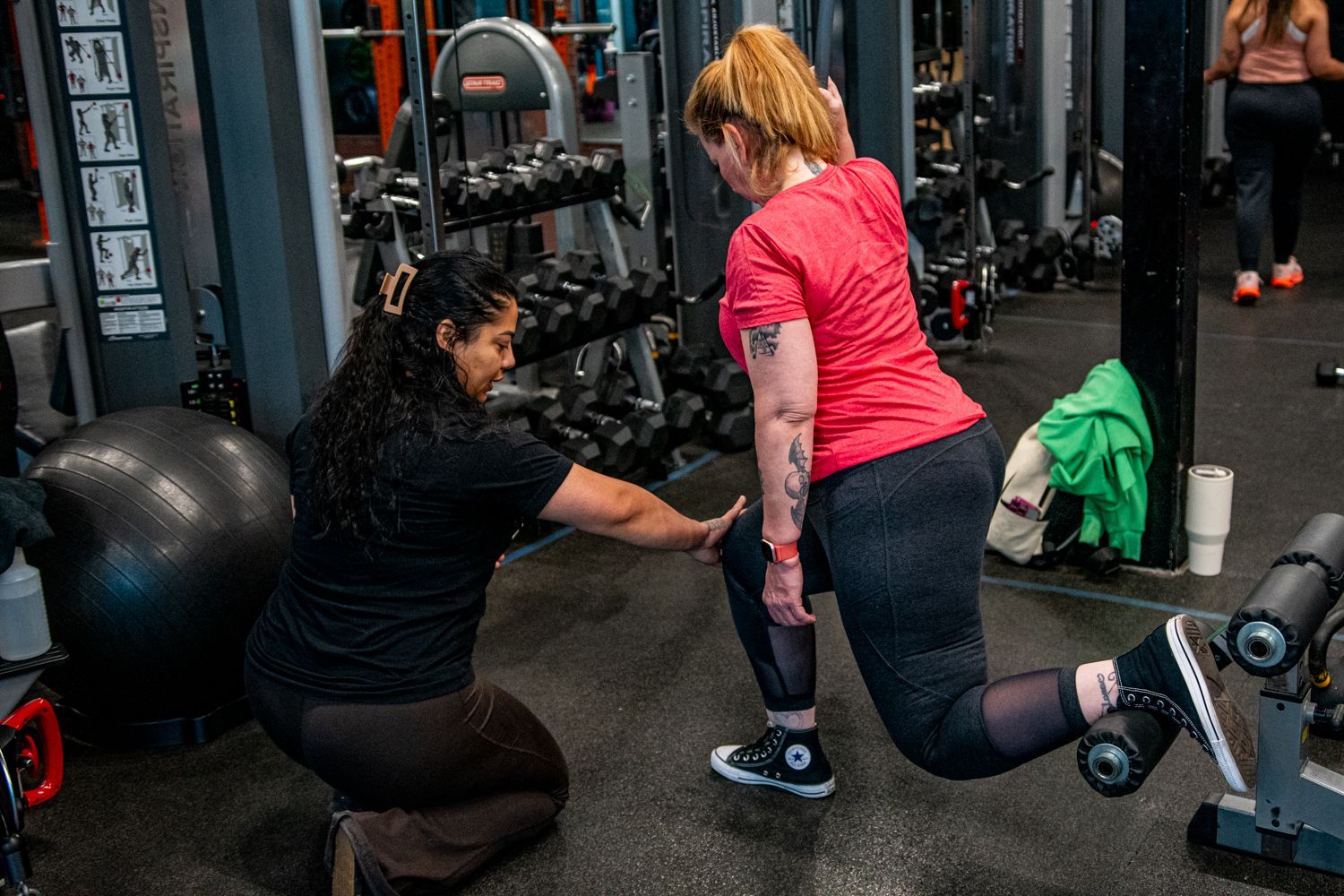
✅ 2. Strength Train 3–4x Per Week
Muscle is metabolically protective.
Strength training:
• Improves insulin sensitivity
• Supports hormone balance
• Boosts resting metabolism
• Reduces injury risk
Cardio has a place — but strength is foundational.
✅ 3. Manage Stress Intentionally
You cannot out-train stress.
Incorporate:
• Sauna
• Breathwork
• Walking outdoors
• Bodywork
• Recovery days
Your nervous system must feel safe to release weight.
✅ 4. Eat Enough (Strategically)
Chronic under-eating leads to metabolic slowdown.
Instead:
• Focus on whole foods
• Prioritize protein + fiber
• Avoid extreme restriction
• Support digestion
Sustainable fat loss requires fuel.
✅ 5. Sleep Like It’s Part of Your Program
7–9 hours.
No blue light late at night.
Cool room.
Consistent schedule.
This alone can shift hormones dramatically.
✅ 6. Address the Bigger Picture
Sometimes low energy and stubborn weight require deeper investigation:
• Thyroid health
• Cortisol patterns
• Nutrient deficiencies
• Gut health
• Perimenopausal shifts
This is where integrative support matters.
The Truth Women Need to Hear
You don’t need:
Another detox.
Another 1,200 calorie plan.
Another punishment workout.
You need:
• A structured plan
• Smart strength training
• Hormone-supportive nutrition
• Stress regulation
• Recovery built in
When the body feels supported — it responds.

Imagine This Instead
Imagine:
• Waking up with energy
• No 3pm crash
• Feeling strong in your body
• Clothes fitting better
• Belly inflammation decreasing
• Sustainable progress
Not because you starved yourself.
But because your hormones stabilized.
You’re Not Failing. You’re Misguided.
If you’ve tried everything and nothing sticks, it’s not because you lack discipline.
It’s because your body needs regulation — not restriction.
If you’re ready to stop guessing and start understanding your body, schedule a consultation and let’s build a plan tailored to your hormones, stress load, and lifestyle.
You deserve results that feel good — not punishing.
And yes, your body can change.
It just needs the right strategy.