Why Muscle Matters More Than the Number on the Scale
For years, many people measured their fitness success by a single number:
The number on the scale.
If the number went down, it was considered a success.
If it stayed the same, it often felt frustrating.
But what if the scale isn't telling the whole story?
Today, more fitness professionals are shifting the conversation away from simply losing weight and toward something much more important: building and maintaining muscle.
Because when it comes to your health, strength, confidence, and long-term results, muscle matters far more than the number on the scale.
The Scale Doesn't Tell the Whole Story
Your body weight is made up of many things:
- Muscle
- Body fat
- Water
- Bones
- Organs
- Food and hydration levels
The scale can't tell the difference between losing body fat and losing muscle.
That's why two people can weigh the exact same amount but look, feel, and perform completely differently.
The real goal shouldn't simply be weight loss.
The goal should be improving body composition.
What Is Body Composition?
Body composition refers to the ratio of lean muscle mass to body fat.
When people improve their body composition, they often:
- Look more toned
- Feel stronger
- Move better
- Have more energy
- Improve confidence
- Support long-term health
This is why someone can lose inches, fit into smaller clothes, and feel amazing—even if the scale hasn't changed much.

Why Muscle Is So Important
1. Muscle Supports Your Metabolism
Muscle is metabolically active tissue.
The more lean muscle you have, the more energy your body requires to maintain it.
While building muscle isn't a magic solution, maintaining healthy muscle mass helps support overall metabolism and long-term weight management.
2. Muscle Helps Create the "Toned" Look
One of the most common goals we hear is:
"I want to tone up."
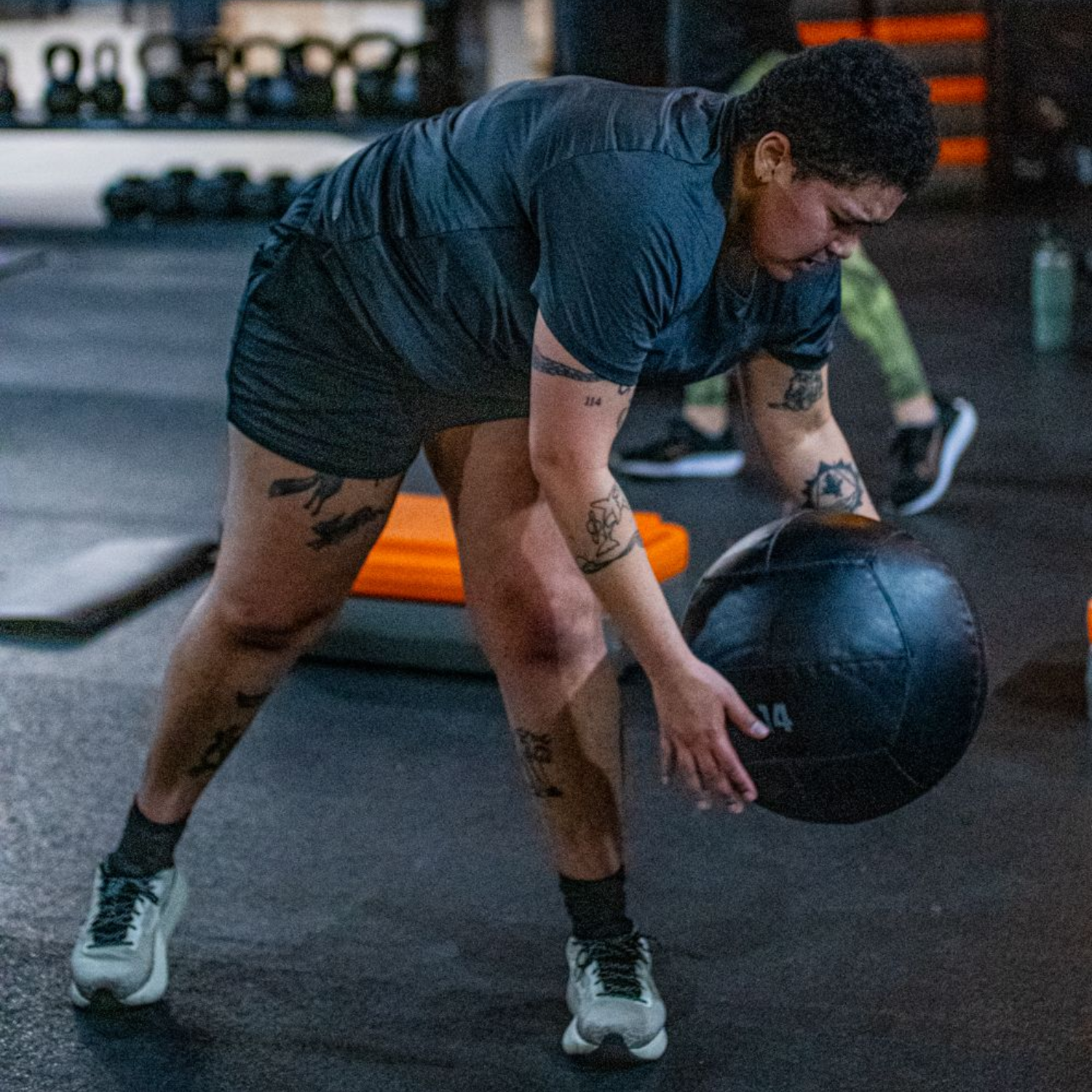
The truth is, muscle is what creates shape, definition, and that toned appearance.
Losing weight alone doesn't automatically create the look most people are after.
Strength training and muscle development play a major role.
3. Muscle Supports Healthy Aging
As we age, we naturally begin to lose muscle mass if we don't actively work to maintain it.
Strength training helps support:
- Balance
- Mobility
- Bone health
- Independence
- Daily function
Building muscle today is an investment in your future health.
4. Muscle Helps You Feel Stronger
Fitness shouldn't just be about appearance.
It should also be about what your body can do.
Whether it's carrying groceries, playing with your kids, hiking, traveling, or simply moving through daily life with ease, strength matters.
Why Strength Training Matters
Many people still believe endless cardio is the fastest path to results.
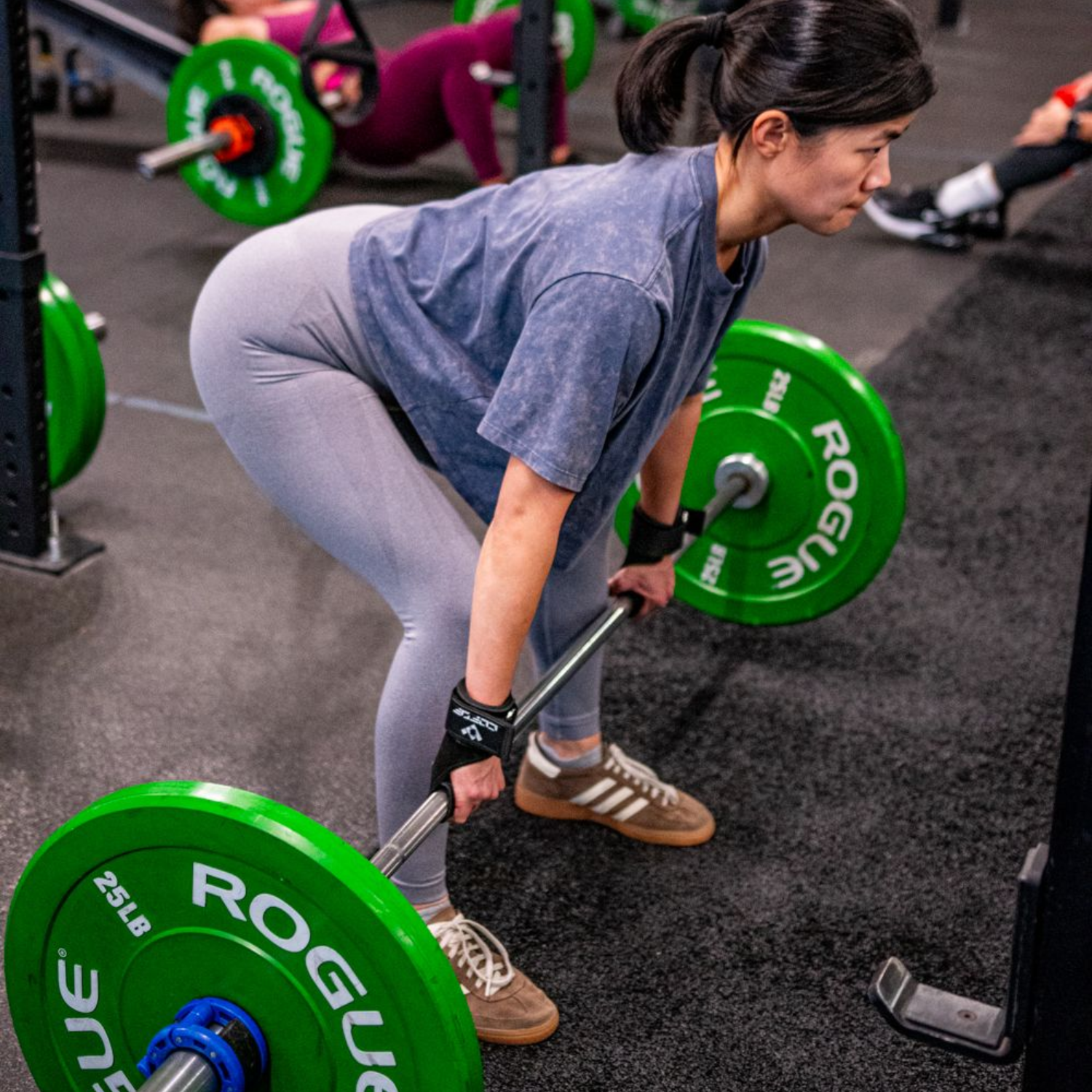
While cardio has incredible benefits for heart health and endurance, strength training is what helps build and preserve muscle.
That's why the best fitness plans often include a combination of:
- Strength training
- Conditioning
- Mobility
- Recovery
- Healthy nutrition
At Brickz Fitness, we focus on creating a balanced approach through:
💪
Brickz Bodiez Strength Training
🔥
SWEAT HIIT & Conditioning
✨
SCULPT Time-Under-Tension Training
Each program serves a different purpose, but together they help support stronger, healthier, more sustainable results.
Stop Chasing a Number
The scale is just one piece of information.
Instead of asking:
"How much do I weigh?"
Try asking:
- Am I getting stronger?
- Do I have more energy?
- Am I building healthy habits?
- Am I moving better?
- Do my clothes fit differently?
- Do I feel more confident?
Those are often the measurements that matter most.
Final Thoughts
The number on the scale doesn't define your progress.
Muscle supports strength, metabolism, confidence, mobility, and long-term health.
That's why at Brickz Fitness, we encourage our members to focus on building a stronger body—not just a smaller one.
Because the goal isn't simply to lose weight.
The goal is to become stronger, healthier, and more capable for life.
Strong is not a size.
Strong is a lifestyle.