Why the Number on the Scale Doesn't Tell the Whole Story
Have you ever stepped on the scale, seen the same number as last week, and felt frustrated?
You're not alone.
For many people, the scale has become the primary way they measure success. If the number goes down, it's a good week. If it stays the same, it can feel like all your hard work isn't paying off.
But here's the truth:
The scale doesn't tell the whole story.
In fact, some of the most important changes happening in your body may never show up on the scale at all.
What the Scale Actually Measures
The scale only measures your total body weight.
It doesn't tell you:
- How much muscle you have
- How much body fat you've lost
- Whether you're stronger
- Whether you're healthier
- Whether you're improving your fitness
Your weight can fluctuate daily based on:
- Hydration
- Sodium intake
- Hormones
- Stress
- Sleep
- Digestion
- Exercise
That's why the scale can sometimes be misleading.
The Real Goal: Body Composition
Instead of focusing only on weight loss, consider focusing on body composition.
Body composition is the ratio of lean muscle mass to body fat.
When people improve their body composition, they often:
- Look leaner
- Feel stronger
- Have more energy
- Move better
- Feel more confident
And sometimes all of those improvements happen while the scale barely changes.
Muscle Changes Everything
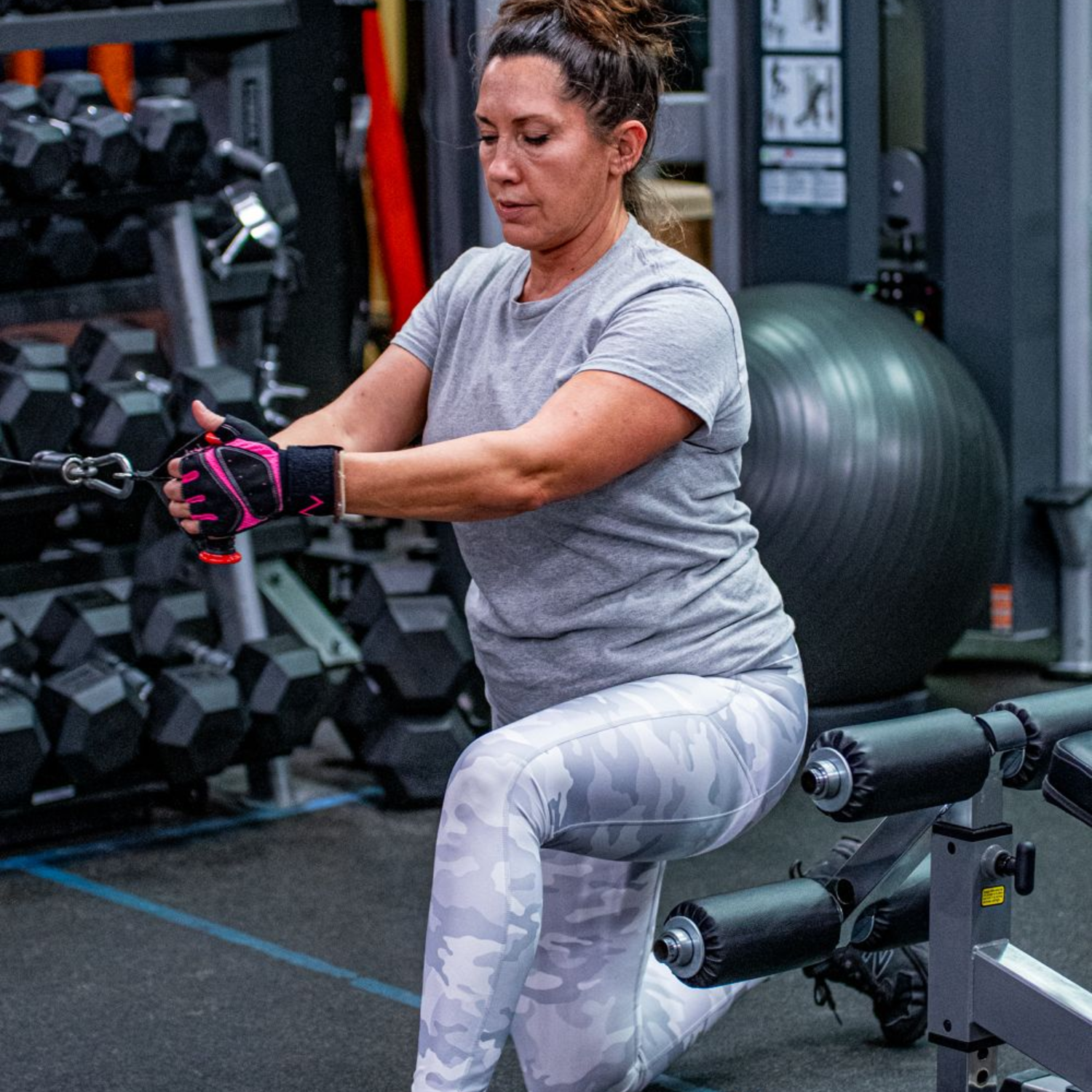
One of the biggest mistakes people make is focusing solely on losing weight instead of building and maintaining muscle.
Muscle plays a critical role in:
- Strength
- Mobility
- Metabolism
- Performance
- Long-term health
Two people can weigh exactly the same amount but have completely different body compositions.
One may have more muscle and less body fat.
The other may have less muscle and more body fat.
The scale can't tell the difference.
Signs You're Making Progress (Even If the Scale Isn't Moving)
Have you noticed:
✔ Your clothes fit better?
✔ You feel stronger during workouts?
✔ You have more energy throughout the day?
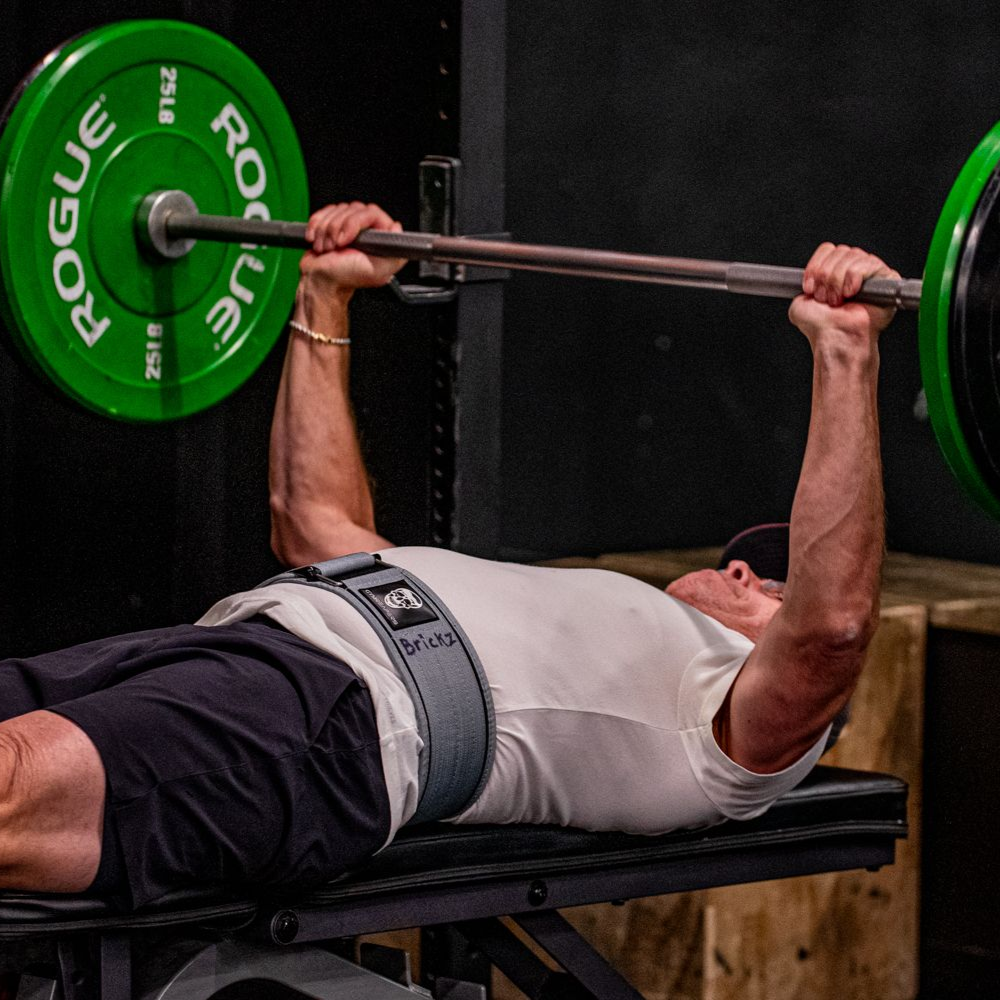
✔ You're lifting heavier weights?
✔ You're recovering faster?
✔ You feel more confident?
Those are all signs of progress.
And often, they're far more meaningful than a number on the scale.
Why Strength Training Matters
If your goal is to look, feel, and perform your best, strength training should be part of your plan.
Strength training helps:
- Build lean muscle
- Support metabolism
- Improve body composition
- Increase strength
- Support healthy aging
At Brickz Fitness, we focus on helping our members build strong, capable bodies through:
💪 Brickz Bodiez Strength Training
✨ SCULPT Time-Under-Tension Training
Together, these programs help create a balanced approach to fitness that supports both performance and long-term results.
Stop Letting the Scale Define Your Success
The scale is simply one tool.
It should never be the only measure of progress.
Instead of asking:
"How much weight did I lose?"
Try asking:
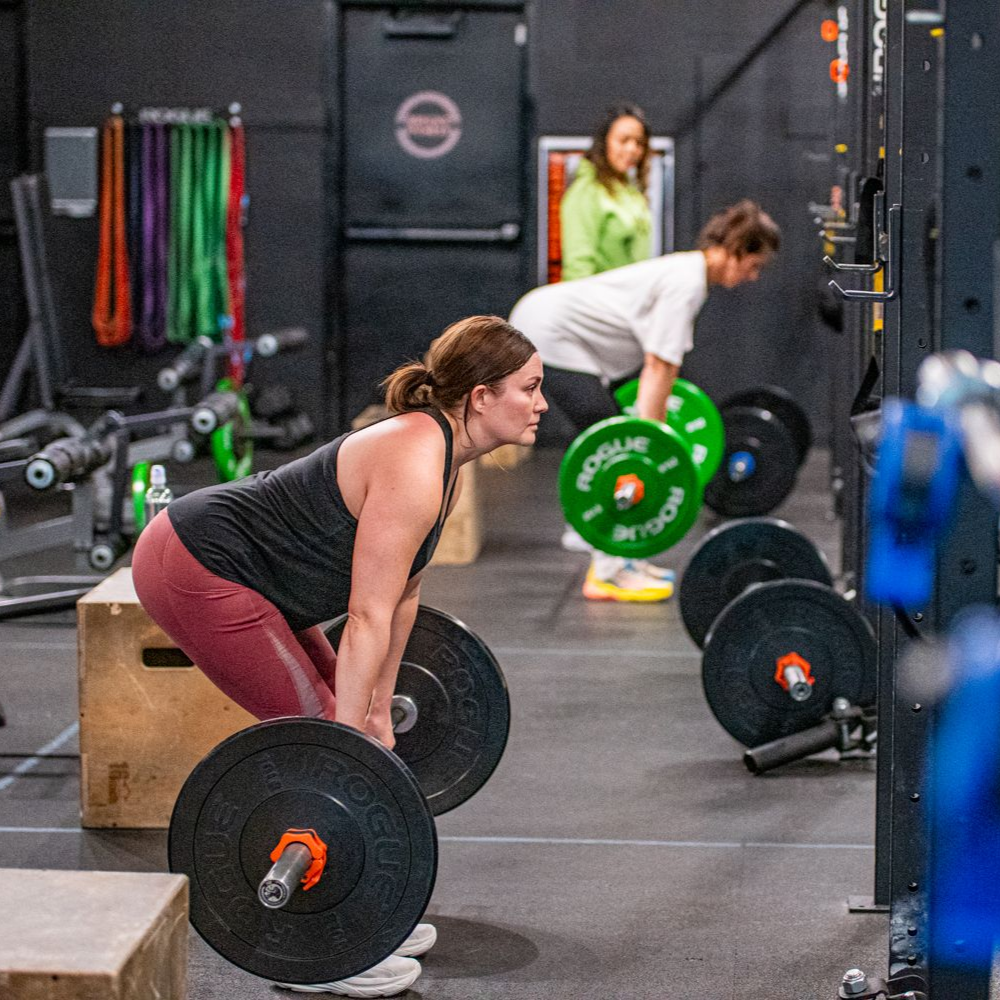
- Am I getting stronger?
- Do I have more energy?
- Am I building healthy habits?
- Am I improving my fitness?
- Do I feel better than I did a month ago?
Those answers often matter much more.
Final Thoughts
The number on the scale is only one piece of the puzzle.
Real progress comes from building strength, improving body composition, creating healthy habits, and feeling better in your own skin.
At Brickz Fitness, we believe fitness is about more than weight loss.
It's about becoming stronger, healthier, and more confident for life.
Because your success can't always be measured by a number.
Sometimes the biggest victories happen where the scale can't see them.